
Grill Grates: Materials, Maintenance & When to Replace Them
Your grill grates touch every piece of food you cook. Understanding what they're made of, how to care for them, and when they've reached the end of their life makes a real difference to every cookout.
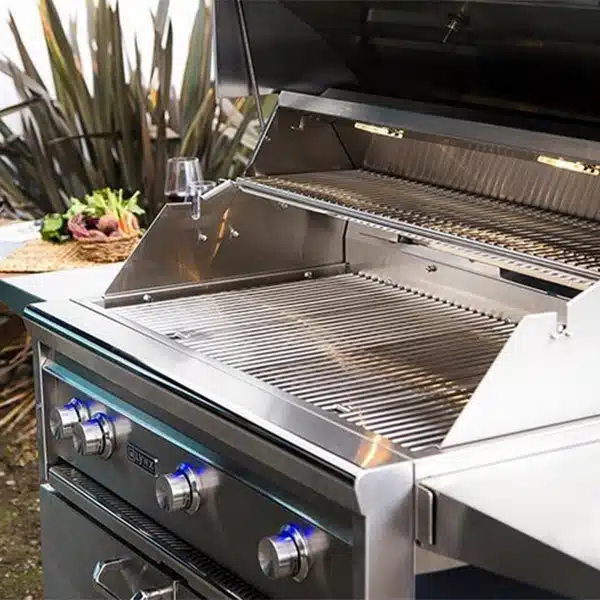
The Grates Are What Touch Your Food — They Matter More Than Most People Think
Grill grates are the most direct point of contact between your cooking equipment and your food. They affect how heat transfers to food, whether you get proper sear marks, how likely food is to stick, and — when they reach the end of their life — whether rust or degraded coating is making contact with what you eat.
At SoCal Grill Masters, we inspect grill grates during every professional grill cleaning and assess their condition honestly. We clean grates as part of our standard service, and we replace them when cleaning alone is no longer appropriate. We carry or source replacement grates for all major BBQ brands throughout Southern California, and if you prefer to source your own grates, store.progrill.com stocks grates for a wide range of brands and models.
Every Type of Grill Grate — and What Makes Each One Different
Grate material is one of the most important choices in outdoor cooking performance. Each material has real strengths and real trade-offs — and maintenance requirements that are specific to the material type.
Cast Iron Grates
Cast iron delivers the best heat retention and sear marks of any grate material — once hot, it stays hot and transfers heat aggressively to food. The trade-off is significant: cast iron must be seasoned regularly with oil to maintain its non-stick properties and prevent rust, and it rusts quickly when exposed to moisture without that protective layer. Cast iron grates that have not been seasoned and are stored in humid conditions can develop surface rust within days. Light surface rust can be removed and the grate re-seasoned; deep pitting rust indicates the grate needs replacement.
Porcelain-Coated Cast Iron Grates
The most common grate type on mid-range and many premium grills — cast iron cores coated with a layer of porcelain enamel that eliminates the need for seasoning, resists rust, and provides a naturally slick cooking surface. The coating is durable but not indestructible: chipping from wire brushes, dropping the grate, or thermal shock from cold water on a hot grate removes the porcelain and exposes the bare cast iron underneath to moisture and rust. Once the coating chips significantly, replacement is the correct recommendation rather than continued use.
Stainless Steel Grates
Stainless steel grates are durable, corrosion-resistant, and low-maintenance compared to cast iron — they do not require seasoning and will not rust in the way cast iron does. The trade-off is heat retention: stainless steel does not hold heat as aggressively as cast iron, meaning sear marks are less pronounced and heat recovery after placing food on the grate is slower. Over many years of high-heat use, stainless grates can warp, develop a dull discoloration, and eventually bow to the point where they no longer sit flat on the support rails.
Porcelain-Coated Steel Grates
Found on many entry-level and mid-range freestanding grills, porcelain-coated steel grates combine a steel core with the same porcelain enamel coating found on premium cast iron grates. They are lighter, less expensive, and easier to handle than cast iron — but the thinner steel core retains heat less effectively and the coating is more susceptible to chipping. They are also more prone to warping at very high temperatures. These are the grate type most likely to need replacement on older consumer-grade grills.
Chrome-Plated Steel Grates
Common on entry-level grills, chrome-plated steel grates are the least durable option. The chrome plating provides some corrosion resistance when new, but chips and wears away with regular use and cleaning — eventually exposing bare steel that rusts rapidly. They also tend to have thinner rods than cast iron or stainless grates, which means less contact surface with food and fewer defined sear marks. Chrome-plated grates on older grills are frequently the first component we recommend replacing.
GrillGrates & Aftermarket Options
Aftermarket grate systems like GrillGrates — interlocking hard-anodized aluminum panels with raised rails that concentrate heat and allow precise searing — are an upgrade option for homeowners looking to improve cooking performance beyond what original equipment grates provide. We install aftermarket grate systems as part of our grill repair and upgrade service, and sourcing options are available through store.progrill.com.
How to Clean Grill Grates — and What Not to Do
How you clean your grill grates matters as much as how often you clean them — particularly for porcelain-coated grates where the wrong cleaning approach can do more damage than the grease it removes.
What Works
- Brushing grates while still warm after cooking removes the majority of food residue before it hardens
- A brass-bristle brush is safe on all grate types including porcelain coating
- Soaking cast iron grates in warm water to loosen baked-on residue before scrubbing
- Re-oiling cast iron grates after cleaning to maintain the seasoning layer
- Professional deep cleaning during annual or biannual grill service to address buildup that surface brushing misses
What to Avoid
- Steel wire brushes on porcelain-coated grates — bristles chip the coating and can leave wire fragments on the cooking surface
- Cold water on hot porcelain-coated grates — thermal shock cracks the coating
- Soaking stainless steel grates in bleach-based cleaners — accelerates surface pitting
- Putting cast iron grates in the dishwasher — strips seasoning and causes immediate rust
- Letting cast iron sit wet — even brief moisture exposure causes surface rust on unseasoned iron
When Grill Grates Need to Be Replaced
Not every worn grate needs replacing — but some conditions make continued use genuinely inadvisable. Here is how to assess whether your grates should be cleaned or retired:
- Porcelain coating has chipped significantly, exposing bare cast iron or steel
- Deep rust pitting that persists after cleaning and re-seasoning attempts
- Grate rods are so thin from corrosion they no longer support food properly
- Chrome plating has worn away across most of the cooking surface
- Grate has warped to the point of not sitting flat on support rails
- Rust flakes are visible on food during or after cooking
- Grate rods have broken or separated at welded joints
- Surface rust covers more than 30–40% of the grate surface
- Coating chips are ending up in food during cooking
- Grate is more than 5–8 years old and has never been replaced
How Long Do Grill Grates Last?
Grate lifespan varies considerably by material and maintenance:
- Chrome-plated steel grates — typically 2–4 years before the plating wears away and rust takes hold.
- Porcelain-coated steel grates — 3–5 years with careful maintenance. Wire brush use dramatically shortens this.
- Porcelain-coated cast iron grates — 5–10 years or longer when the coating is maintained intact. Once chipping begins, the timeline to replacement shortens.
- Stainless steel grates — 5–15 years depending on grade. Entry-level stainless grates warp and pit faster than premium stainless used in high-end brands.
- Bare cast iron grates — indefinitely with proper seasoning and maintenance. Cast iron grates that are correctly cared for can outlast the grill itself.
The single most impactful thing you can do to extend grate life — regardless of material — is professional cleaning that removes the baked-on grease and carbon that accelerates degradation of every grate type. See our grill cleaning service for what a professional clean covers.
Frequently Asked Questions About Grill Grates
Is it safe to cook on rusty grill grates?
Light surface rust on cast iron or stainless grates — the kind that appears after the grill has been left uncovered in damp conditions — is generally considered safe. It can be removed by heating the grate, scrubbing with a wire brush or steel wool, and re-seasoning. Deep pitting rust, rust that flakes off during cooking, or rust on chrome-plated grates where the underlying steel is exposed is a different matter — grates in this condition should be replaced before continued use.
My food keeps sticking — is that a grate problem?
Sticking food is usually one of three things: grates that have not been properly preheated before food is placed on them, grates that need cleaning, or grates whose non-stick surface — whether seasoning on cast iron or porcelain coating on coated grates — has degraded. Letting the grill preheat for 10–15 minutes before cooking, cleaning grates thoroughly, and oiling them lightly before use resolves most sticking issues. If sticking persists after a professional cleaning, the grate surface may have degraded to the point where replacement is the right answer.
Can I season porcelain-coated grates the same way I season cast iron?
You can apply a light coat of oil to porcelain-coated grates before cooking — and it is a good practice that improves food release and adds some protection. However, porcelain-coated grates do not require the same conditioning process as bare cast iron because the porcelain itself provides the non-stick and rust-resistant layer. The key with porcelain grates is protecting the coating from chipping rather than building up a seasoning layer.
Are replacement grates available for my specific grill model?
For most major brands — Weber, Napoleon, Lynx, Fire Magic, DCS, Lion, Blaze, Char-Broil, and many others — replacement grates are available either as OEM parts or as high-quality aftermarket options. We source replacement grates for all major brands as part of our repair service. For DIY sourcing, store.progrill.com carries replacement grates for a wide range of brands and configurations.
Should I use a wire brush to clean my grill grates?
It depends on the grate material. Steel wire brushes are fine on bare cast iron and stainless steel grates. On porcelain-coated grates, steel wire brushes chip the coating and — more concerning — can leave wire bristles behind on the cooking surface that end up in food. Brass bristle brushes are safe on all grate types. There have been documented cases of steel bristles from wire brushes causing injury when they end up in cooked food, which is a genuine reason to avoid them on any grate where coating damage is already present.
How often should grill grates be professionally cleaned?
Grate cleaning is included in every professional grill cleaning we perform — it is not a separate service. For most homeowners who grill regularly, a professional cleaning once or twice per year addresses the accumulated grease and carbon on grates that routine brushing between sessions does not reach. We assess grate condition during every visit and flag any grates approaching the point where replacement makes more sense than continued cleaning.
What's the difference between grill grates and cooking grids?
The terms are used interchangeably by most homeowners and most of the industry. Some manufacturers use "cooking grids" to refer specifically to the main cooking surface and "grates" to refer to the lower support structure — but in common usage, grill grates and cooking grids refer to the same component: the metal surface on which food is placed for cooking.
Related Grill Repair & Maintenance Resources
- Professional BBQ Grill Cleaning
- BBQ Grill Repair & Diagnostics
- BBQ Grill Inspections
- BBQ Grill Burners — Cleaning, Repair & Replacement
- BBQ Grill Valves — Diagnosis, Repair & Replacement
- BBQ Igniters & Ignition Systems
- Briquettes & Briquette Trays
- Is It Worth Repairing a Barbecue?
- What Is the Best Way to Clean a Grill?
- How Much Does Grill Cleaning Cost?
Grates Need Replacing? We'll Sort It Out.
Whether your grates need a professional deep clean, an honest condition assessment, or straightforward replacement — SoCal Grill Masters handles grate service on-site throughout Orange County and greater Southern California. We source the right replacement grate for your specific brand and model.