
BBQ Igniters & Ignition Systems: Repair & Replacement
Click, click, click — and nothing. A grill that won't light is one of the most frustrating problems a homeowner deals with. Here's what's actually happening, and how we fix it.
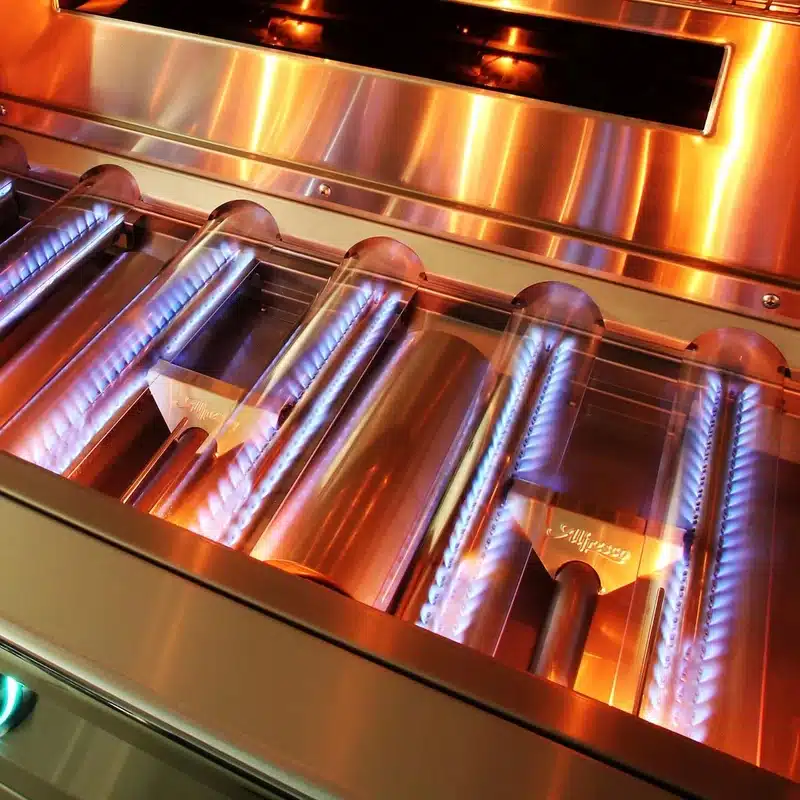
Ignition Failure Is the Number One Repair Call We Receive
Of all the grill repair calls we handle throughout Southern California, ignition failure is the single most common. A grill that clicks but won't light, one that lights one day and not the next, or one that has simply stopped producing any spark at all — these are problems we diagnose and repair every day across every grill brand and configuration on the market.
Ignition problems are also among the most misdiagnosed. Many homeowners replace igniters themselves only to find the problem persists — because the electrode was fine and the real issue was a blocked burner port, a moisture problem in the wiring, or a battery that looked new but had discharged. Accurate diagnosis before replacement is what separates a fixed grill from a frustrating cycle of guesswork.
At SoCal Grill Masters, we identify the specific ignition component at fault during every repair visit, explain exactly what we found, and replace only what is actually needed. We service every type of ignition system found in residential gas grills — from the simplest battery-powered push-button to the electronic ignition modules in premium built-in brands.
Every Type of BBQ Ignition System We Service
Not all grill ignition systems work the same way — and a repair approach that works on one type may be irrelevant for another. Understanding what type of ignition your grill uses is the starting point for any accurate diagnosis.
Push-Button Piezo Igniters
The most common ignition type on freestanding consumer grills. A piezo crystal inside the button assembly generates a spark when compressed by pressing the button — no battery required. Simple and reliable when new, but the crystal degrades over time and the button mechanism itself can crack or seize. When a piezo igniter fails, the entire push-button assembly typically requires replacement. These are the most straightforward igniter repairs we perform.
Battery-Powered Electronic Igniters
Found on mid-range and many premium freestanding grills, electronic igniters use a battery-powered module to generate a rapid series of sparks at the electrode — similar in principle to a car's ignition system. They produce a more consistent spark than piezo systems and are less prone to mechanical failure, but they introduce battery dependency and electronic module failure as additional failure points. Dead or corroded batteries are the most common cause of failure in this system type.
AA / AAA Battery Module Systems
A specific variant of the electronic igniter where the battery housing is integrated into the control panel or mounted separately on the grill body. The battery compartment is often exposed to the elements and can accumulate moisture, causing battery corrosion that damages the module contacts. We clean and restore corroded battery compartments where possible and replace modules when corrosion has damaged the circuitry beyond recovery.
Crossover Ignition Systems
Premium built-in grills from brands like Lynx, Fire Magic, and DCS use crossover ignition — a system where lighting one burner creates a crossover flame that lights adjacent burners sequentially. This requires precise electrode placement and correctly functioning crossover tubes between burners. A single blocked or misaligned crossover point can prevent an entire section of the grill from lighting even when the primary igniter is working correctly.
Hot Surface Igniters
Used in some infrared and specialty burner configurations, hot surface igniters use electrical resistance to heat a ceramic or silicon carbide element to ignition temperature rather than producing a spark. They are generally more reliable than spark-based systems in windy conditions but are more expensive to replace and require specific voltage matching to the grill's electrical system.
Rotary / Twist Igniters
Found on older grill models and some European-style designs, rotary igniters are turned like a dial rather than pressed. The mechanism is similar to a piezo system internally but the external operation is different. Parts for rotary igniters on older or discontinued models can be difficult to source — we locate correct replacements or compatible alternatives for grills whose original parts are no longer manufactured.
Why BBQ Igniters Stop Working
Ignition failure almost always has one of a small number of root causes. Identifying the right one is what makes the repair stick.
The Most Common Ignition Failure Causes
- Dead or corroded battery in electronic igniter systems
- Moisture inside the battery compartment damaging module contacts
- Cracked or degraded electrode tip that can no longer produce a spark
- Electrode wire that has burned through, frayed, or disconnected
- Electrode positioned too far from the burner port to ignite gas
- Burner ports blocked by grease or spider webs — gas not reaching electrode
- Piezo crystal worn out after years of regular use
- Crossover tube blocked or misaligned preventing sequential lighting
- Moisture intrusion into electronic module after rain or heavy cleaning
- Grease or carbon buildup on electrode tip preventing spark transfer
- Wind extinguishing the flame immediately after ignition
- Failed ignition module in electronic systems — requires module replacement
How We Diagnose and Repair Ignition Problems
Every ignition repair starts with diagnosis — not guesswork. When a technician arrives at your home, we work through the ignition system systematically before touching any components.
Step 1: Confirm the Spark
The first thing we determine is whether the igniter is producing a spark at all. We test the igniter independently of the burner to confirm whether the problem is in the ignition system itself or in the gas delivery to the electrode area. Many apparent ignition failures are actually burner port blockages — the igniter works fine, but no gas is reaching it to ignite. This distinction determines the entire repair approach.
Step 2: Inspect the Electrode
If the igniter is producing a spark, we inspect the electrode tip — checking for carbon buildup that is preventing spark transfer, physical cracking, correct positioning relative to the burner port, and intact wiring from the electrode back to the igniter module. A spark that is occurring in the wrong position, or one that is being absorbed by carbon deposits, will not ignite the burner reliably.
Step 3: Check the Module and Wiring
For electronic ignition systems, we inspect the module, battery compartment, and wiring harness for corrosion, moisture damage, or disconnection. Corroded battery contacts are one of the most common and easily overlooked ignition failures — the battery is replaced but the corroded contact prevents current from reaching the module, and the problem persists.
Step 4: Test the Full Lighting Sequence
For crossover ignition systems, we test the complete sequential lighting process — confirming that each burner lights from the crossover and that crossover tubes are clear and correctly positioned. We also verify that the burner ports in the ignition zone are clear, since a blocked primary port can prevent crossover lighting across multiple burners even when the igniter is functioning correctly.
Warranty Work & Manufacturer-Authorized Repairs
Many premium grill brands — including Lynx, Fire Magic, DCS, Napoleon, and others — offer manufacturer warranties that cover ignition components for a period after purchase. SoCal Grill Masters performs warranty-authorized repair work for a number of these manufacturers, meaning that in qualifying situations, your ignition repair may be covered under your grill's existing warranty.
If your grill is relatively new and experiencing ignition failure, it is worth checking your warranty documentation before paying out of pocket for a repair. When you contact us, let us know the brand, model, and approximate purchase date of your grill and we will advise whether a warranty claim may be applicable before scheduling a paid service visit.
We also carry OEM ignition components for the major brands we service — ensuring that warranty repairs and out-of-warranty replacements alike use the correct manufacturer-specified parts rather than generic substitutes that may not perform to the same standard.
DIY Igniter Replacement — What to Know Before You Start
Igniter replacement on a straightforward freestanding grill is one of the more accessible DIY grill repairs — provided you correctly identify the part you need and understand what you are replacing. Before attempting a DIY igniter replacement, a few things are worth knowing:
- Identify your ignition system type first. A replacement piezo push-button will not fix an electronic module failure, and an electronic module designed for one brand will not fit another. The specific part number for your grill model matters.
- Check the battery before replacing anything else. The most common ignition repair on battery-powered systems is also the cheapest — a fresh battery. Replace it and clean the contacts before ordering any parts.
- Inspect the electrode before assuming the module failed. A cracked electrode tip or disconnected wire is often more accessible and less expensive to fix than the module itself.
- Know when to stop. Crossover ignition systems on built-in premium grills, hot surface igniters, and electronic systems with integrated wiring harnesses are not straightforward DIY repairs. Incorrect reassembly can create unsafe conditions.
If you want to source ignition parts yourself before booking a professional installation, store.progrill.com carries igniter components, electrodes, push-button assemblies, and ignition modules for a wide range of BBQ brands and models. Having the correct part in hand before scheduling service can reduce the number of visits required to complete the repair.
How Long Do BBQ Igniters Last?
Igniter lifespan varies significantly by type and usage pattern:
- Piezo igniters typically last 3–5 years of regular use. The crystal degrades gradually — you may notice it takes more button presses to produce a spark before it stops working entirely.
- Electronic ignition modules can last 5–10 years when kept dry and clean. The most common failure mode is not the module itself but moisture damage to the battery compartment or wiring over time.
- Electrodes last as long as the grill in most cases — unless physically damaged, cracked by thermal stress, or broken during cleaning. Replacing an electrode is inexpensive relative to other ignition components.
- Crossover ignition components are durable when properly maintained but require clear crossover tubes and correct burner alignment to function. Regular professional cleaning keeps crossover pathways clear.
Frequently Asked Questions About BBQ Igniters
My igniter clicks but the burner won't light — what's wrong?
This is the most common ignition complaint we hear, and it has several possible causes. The spark is being produced but something is preventing ignition — the most frequent culprits are blocked burner ports preventing gas from reaching the electrode area, an electrode positioned too far from the burner to transfer the spark to the gas stream, carbon buildup on the electrode tip, or wind dispersing the gas before it can ignite. A professional inspection identifies which of these is actually at fault.
Is it safe to use a lighter if my igniter stops working?
Using a long-reach lighter to manually ignite a gas grill is common and generally safe if done correctly — open the lid, turn on the gas, immediately apply the lighter near the burner port, and light within a few seconds. What is not safe is allowing gas to accumulate in a closed grill before attempting to light it. If you have been clicking repeatedly without ignition and can smell gas, turn everything off, open the lid fully, wait several minutes for gas to dissipate, and start the lighting process again.
I replaced the battery and it still won't spark — what next?
Check the battery contacts for corrosion — white or greenish residue on the contact points prevents current from flowing even with a fresh battery. Clean the contacts with a small amount of baking soda on a cotton swab, dry thoroughly, and retry. If the problem persists, the issue is likely in the electrode wiring, the electrode itself, or the ignition module — all of which we diagnose and repair during a service visit.
Do you carry igniter parts for older or discontinued grill models?
In many cases, yes. We stock common ignition components for the brands we service most frequently and can source parts for older models through our parts network. For DIY sourcing, store.progrill.com is a good starting point — they carry ignition parts for a wide range of brands including many older models. If you cannot find your specific part, contact us and we will help identify the correct component.
My grill is under warranty — does that cover the igniter?
It depends on the brand and how old the grill is. Most premium grill manufacturers offer ignition system warranties ranging from one to several years. We perform warranty-authorized repair work for a number of major brands — contact us with your grill's brand, model, and purchase date and we will advise whether a warranty claim applies before scheduling a paid repair.
Can moisture damage my grill's ignition system?
Yes — and it is one of the more common ignition failure causes in Southern California, particularly after winter rain periods or in coastal areas. Moisture in the battery compartment causes corrosion; moisture in the electronic module can short circuit it; moisture on the electrode can prevent spark transfer. Keeping your grill covered when not in use and ensuring the cover allows some airflow — rather than trapping condensation — reduces moisture-related ignition problems significantly.
How much does igniter repair or replacement typically cost?
A basic electrode replacement or battery compartment cleaning is among the least expensive grill repairs we perform. A complete electronic ignition module replacement on a premium brand is more involved — parts cost varies by brand and configuration. We provide a transparent estimate before any work begins. For general service cost context, see our pricing guide.
Related Grill Repair & Maintenance Resources
- BBQ Grill Repair & Diagnostics
- Professional BBQ Grill Cleaning
- BBQ Grill Inspections
- BBQ Grill Burners — Cleaning, Repair & Replacement
- BBQ Grill Valves — Diagnosis, Repair & Replacement
- Briquettes & Briquette Trays
- Is It Worth Repairing a Barbecue?
- Mold in Your Grill — Is It Dangerous?
- How Much Does Grill Cleaning Cost?
- Lynx Grill Parts & Repair
Grill Won't Light? We'll Find Out Why.
From a simple electrode swap to a full ignition module replacement on a premium built-in, SoCal Grill Masters diagnoses and repairs every type of BBQ ignition system on-site throughout Orange County and greater Southern California. We identify exactly what is wrong before replacing anything.