
BBQ Grill Burners: Cleaning, Repair & Replacement
Clogged ports, uneven flame, low heat, or a burner that won't light — learn how BBQ burners work, how long they last, and when to clean versus replace them.
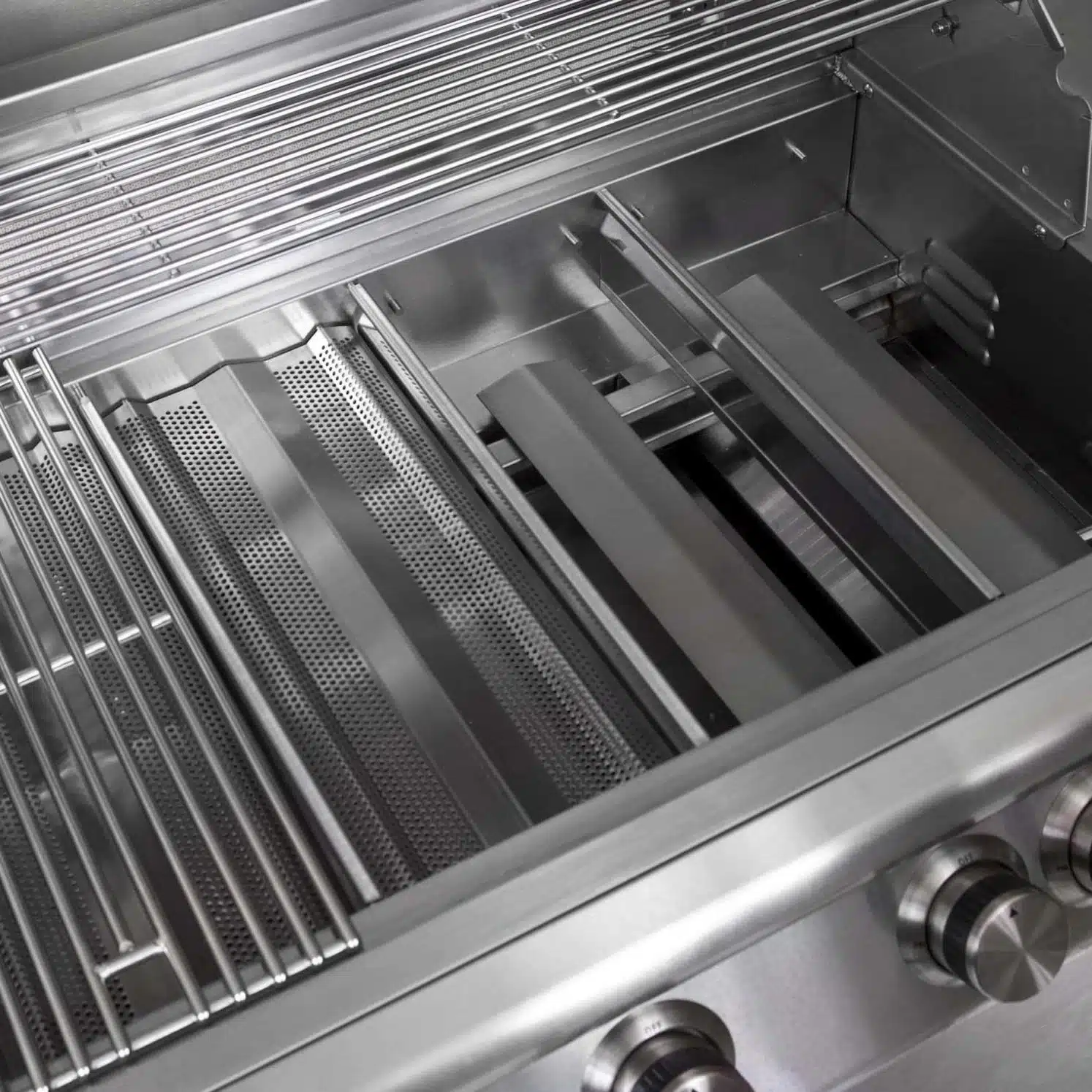
The Burners Are the Engine of Your Grill
The burners in your gas grill are the engine of the entire cooking system. Everything else — heat plates, briquette trays, and cooking grates — depends on the burners working correctly to deliver consistent, even heat. When burners are clogged, corroded, or failing, no amount of cleaning the cooking surface restores performance.
At SoCal Grill Masters, burner inspection is one of the first things we check on every service call. We clear blocked ports during professional grill cleaning visits, diagnose uneven flame and low-heat issues during repair calls, and replace burners when cleaning alone is no longer enough. We service all major brands on-site at your home throughout Southern California.
What BBQ Burners Actually Do
Gas grill burners are metal tubes or channels that carry gas from the control valves to the cooking chamber and distribute it evenly through small ports along their length. When you ignite the grill, gas exits those ports and burns to produce a controlled flame across the full width of the cooking surface.
A well-functioning burner does not simply produce fire — it produces even fire. Consistent heat front-to-back and side-to-side is what allows you to maintain distinct cooking zones, achieve a proper sear, and cook food evenly without constant repositioning. When burners are blocked or physically deteriorating, that consistency disappears in ways that are often mistaken for gas supply problems or general grill age.
How Long Do BBQ Grill Burners Last?
Burner lifespan varies by material, brand, climate, and how often the grill is cleaned. Here is what most homeowners can expect:
Cast Iron Burners
Typically last 2–5 years. They deliver excellent heat distribution but are prone to rust — especially in coastal Southern California where salt air accelerates oxidation. Once rust progresses to cracking or crumbling, replacement is required.
Stainless Steel Burners
Generally last 5–10 years or longer when properly maintained. More corrosion-resistant than cast iron, but still degrade under years of high-heat cycling — eventually warping, cracking, or developing holes in the burner body itself.
Infrared Burners
Found in premium brands like Lynx and Fire Magic. Lifespan depends on the specific system and how frequently maximum temperatures are used. Ceramic elements crack; supporting gas burners fail. Requires careful diagnosis to determine what needs attention.
The Single Biggest Factor in Burner Lifespan
Consistent professional cleaning extends burner life significantly. Grease and carbonized deposits that accumulate inside the firebox also settle on burners, accelerating corrosion and clogging ports. A grill that is professionally cleaned once or twice per year will typically see meaningfully longer burner life than one that is never serviced. See our grill cleaning cost guide for service frequency and pricing.
The Most Common BBQ Burner Problems
Burner problems are among the most frequent issues we encounter during professional grill service. The fix is different for each cause — which is why accurate diagnosis matters before any parts are ordered.
Clogged Burner Ports
Small ports along the burner tube become blocked by carbonized grease, spider webs, or wind-blown debris. Blocked ports cause visible gaps in flame, hot spots, and reduced heat output. In many cases this is resolved during a professional cleaning without any replacement needed.
Uneven or Yellow Flame
A healthy burner produces blue flame with small yellow tips. Large orange or yellow flames, patchy ignition, or flame that blows out at lower settings indicate blocked ports, a corroded burner body, or debris inside the tube affecting gas flow before it reaches the ports.
Low Heat Output
A grill that once reached 550°F but now struggles past 350°F often has clogged burner ports combined with grease on heat plates and briquette trays absorbing heat. When thorough cleaning does not resolve it, degraded burners are frequently the underlying cause.
Spider Webs & Insect Nesting
Certain spiders are attracted to residual gas scent inside burner tubes. A web spun during non-use can completely block gas flow — causing a grill that worked perfectly before a vacation to fail to ignite on return. A professional inspection after extended non-use is always worthwhile.
Corrosion & Physical Deterioration
Cast iron burners rust and crack; stainless steel burners warp and develop holes under years of high-heat cycling. Physical deterioration that has progressed to cracking, rusting through, or structural failure cannot be resolved by cleaning. Replacement is the correct action.
Ignition Failures Linked to Burners
Sometimes apparent ignition failure is actually a burner port problem — the igniter sparks but gas isn't reaching the electrode area because nearby ports are blocked. A proper diagnosis distinguishes this from a faulty igniter, valve, or wiring issue before anything is replaced.
Signs Your Burners Need Professional Attention
Most burner problems develop gradually. If any of the following describe your grill, a professional burner inspection and cleaning is worth scheduling:
- One burner runs noticeably hotter or cooler than others
- Visible gaps or dead zones in the flame along a burner's length
- Large orange or yellow flame instead of blue
- A burner that ignites unreliably or needs multiple attempts
- A burner that will not light even when the igniter sparks
- Grill takes much longer to reach cooking temperature
- Food cooks unevenly regardless of position on the grate
- Unusual popping or sputtering sounds during use
- Visible rust, cracking, or deterioration on burner surfaces
- Grill has not been professionally serviced in over a year
When to Clean vs. When to Replace
Getting this right saves money either way — unnecessary replacement when cleaning would have worked, or continued cleaning attempts on burners that are genuinely at end of life.
Cleaning Is Usually Enough When:
- Ports are blocked but the burner body is structurally intact
- Uneven flame developed gradually or after a period of non-use
- The grill has not had professional service in 1–2+ years
- Heat decline is gradual rather than sudden
- No visible cracks, holes, or rust-through on the burner body
Replacement Is Appropriate When:
- Burner tube has cracked, rusted through, or developed holes along its body
- Cast iron has deteriorated structurally and is crumbling
- Professional cleaning was thorough and the problem persists
- Burner is warped and no longer seats correctly in its bracket
- Rust has compromised the port pattern beyond clearing
We make this assessment on every service call and provide an honest recommendation before any parts are ordered. We will never recommend replacement when cleaning would resolve the issue. For more context, see our repair vs. replace guide.
Types of BBQ Burners We Service and Replace
Gas grills use several different burner configurations. We service and replace all major types found throughout Southern California outdoor kitchens and freestanding grills — including H-burners on freestanding units, individual pipe burners on premium built-in grills from brands like Lynx, Fire Magic, DCS, and Viking, and infrared sear burners with ceramic elements found in high-end installations. If you are unsure what type of burner your grill uses, our technicians identify it on-site during the inspection or service visit.
We carry or can source replacement burners for virtually all major gas grill brands sold in Southern California — including older and discontinued models no longer stocked by major retailers. Brands we most frequently replace burner components for include Lynx, Fire Magic, DCS, Viking, Twin Eagles, Alfresco, Napoleon, Weber, Lion BBQ, Blaze, Summerset, Bull, AOG, Delta Heat, Char-Broil, Turbo, and Dacor.
Burner Service Is Part of Every Professional Grill Cleaning
Burner inspection and clearing blocked ports is a standard part of every professional grill cleaning we perform. When we disassemble your grill, we inspect each burner, clear any port blockages we find, check for signs of corrosion or physical deterioration, and let you know before we leave if any burners are in a condition that warrants replacement before your next service visit.
This is one of the key differences between professional service and a homeowner wire-brush cleaning. Surface cleaning the grill grates and exterior does nothing to address a burner with half its ports blocked by carbonized grease. A professional deep clean addresses every internal component — including the burners — and restores the grill to performing the way it was designed to.
We also use eco-friendly cleaning products throughout every service — no harsh chemical residue on food-contact surfaces, and nothing that creates concern for children, pets, or the surrounding outdoor environment.
Frequently Asked Questions About BBQ Grill Burners
How do I know if my burners need replacing or just cleaning?
If the burner tube body is structurally intact — no cracks, holes, or significant rust-through — professional cleaning is almost always the right first step. If a thorough cleaning does not restore even flame and heat distribution, that points toward replacement. Physical deterioration like cracking or rusted-through sections always requires replacement rather than cleaning.
Can I replace BBQ burners myself?
On many freestanding grills, yes — if you can identify the correct replacement part for your specific model and are comfortable with basic grill disassembly. On built-in outdoor kitchens, particularly with premium brands that have specific burner configurations, professional installation ensures correct alignment, proper gas flow, and safe reassembly. Incorrect installation can create unsafe conditions.
Why does only one of my burners have low flame?
Single-burner performance issues almost always point to that specific burner's ports being blocked rather than a gas supply problem. If the other burners are performing normally, the gas supply is fine — the issue is localized. Spider webs and grease blockage in that one burner tube are the most common causes, and are typically resolved during professional cleaning without requiring replacement.
My igniter sparks but the burner won't light — is that a burner problem?
Sometimes. If the igniter produces a spark but the burner won't catch, the most likely causes are either a burner port blockage preventing gas from reaching the ignition area, a faulty gas valve, or a worn electrode not positioned correctly. A professional repair diagnosis identifies the actual problem before any parts are replaced.
How often should I have my burners professionally cleaned?
For most Southern California homeowners who grill regularly, once per year is a reasonable minimum. Grills used multiple times per week, or in coastal areas where salt air accelerates corrosion, benefit from twice-annual service. See our grill cleaning cost guide for more on service frequency and pricing.
Do orange flames mean my burners need replacing?
Not necessarily. Orange or yellow flame is frequently caused by blocked burner ports rather than burner failure — and is often resolved by professional cleaning. If orange flame persists after thorough port clearing, that suggests a more significant issue with the burner's ability to properly mix gas and air, which may indicate physical deterioration requiring replacement.
Will replacing burners fix my grill's uneven cooking?
Burner replacement will fix uneven cooking caused by burner failure. But if uneven cooking is caused by blocked ports, cleaning fixes it for far less. Other causes of uneven cooking include worn briquette trays or heat plates that are no longer distributing heat evenly even when the burners themselves are functioning correctly. A proper diagnosis determines which component is actually at fault.
Related Grill Repair & Maintenance Resources
- Professional BBQ Grill Cleaning
- BBQ Grill Repair & Diagnostics
- BBQ Grill Inspections
- Briquettes & Briquette Trays — When to Replace Them
- Eco-Friendly Grill Cleaning
- Mold in Your Grill — Is It Dangerous?
- Is It Worth Repairing a Barbecue?
- How Much Does Grill Cleaning Cost?
- What Is the Best Way to Clean a Grill?
- Lynx Grill Parts & Repair
Schedule Burner Cleaning or Replacement Today
Whether your grill needs a thorough cleaning to clear blocked ports, a repair visit to diagnose uneven flame, or straightforward burner replacement — SoCal Grill Masters provides professional mobile burner service throughout Orange County and greater Southern California. We come to you fully equipped and restore your burners on-site.