What Is the Best Way to Clean a Grill?
If you’ve ever lifted your grill lid and wondered, “What is the best way to clean a grill?”—you’re not alone. Grill owners across Southern California ask this question constantly, especially when grease buildup, flare-ups, or strange flavors start to show up.
The honest answer is this: the best way to clean a grill depends on what level of cleaning you’re talking about. There’s day-to-day maintenance you can (and should) do yourself, and then there’s deep, professional grill cleaning that simply can’t be replicated at home.
This guide is designed to help you:
- Keep your grill cleaner and safer between professional visits
- Understand which cleaning tasks are realistic DIY jobs
- Learn why professional grill cleaning once or twice a year is still essential
- Protect your grill’s performance, lifespan, and resale value
Think of this as the difference between washing your car and taking it in for a full professional detail. Both matter—but they are not the same thing.
Why Regular Grill Cleaning Matters More Than Most People Realize
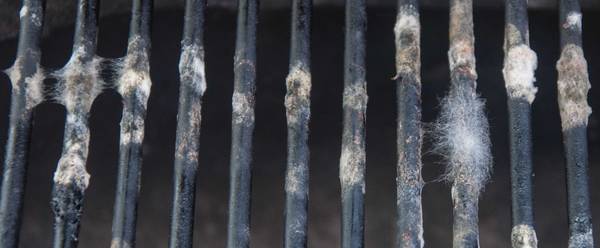
Grilling is fun, but the byproducts of grilling are no joke. Every cookout leaves behind grease, carbonized food particles, and smoke residue. Over time, that buildup affects far more than just appearance.
Here’s what happens when a grill isn’t cleaned regularly:
- Increased flare-ups from grease-soaked burners and flavorizer bars
- Uneven heating caused by clogged ports and blocked airflow
- Off flavors as old grease burns and contaminates fresh food
- Corrosion and rust accelerated by acidic food residue
- Shortened grill lifespan, even on premium brands
In Southern California, outdoor kitchens are often exposed year-round. Salt air, coastal moisture, heat, and dust all speed up deterioration. Regular cleaning isn’t about perfection—it’s about protection.
And while wiping grates helps, the real danger zones live deeper inside the grill box, where most homeowners never look.
The Best Way to Clean a Grill Between Uses (Safe DIY Maintenance)
Let’s be clear: there are things you should be doing yourself. Between professional grill cleanings, smart DIY maintenance keeps your grill safer, more efficient, and easier to service later.
Step-by-step: Simple grill cleaning after cooking
- Preheat the grill for 10–15 minutes
This burns off loose debris and makes brushing more effective. - Brush the grates while hot
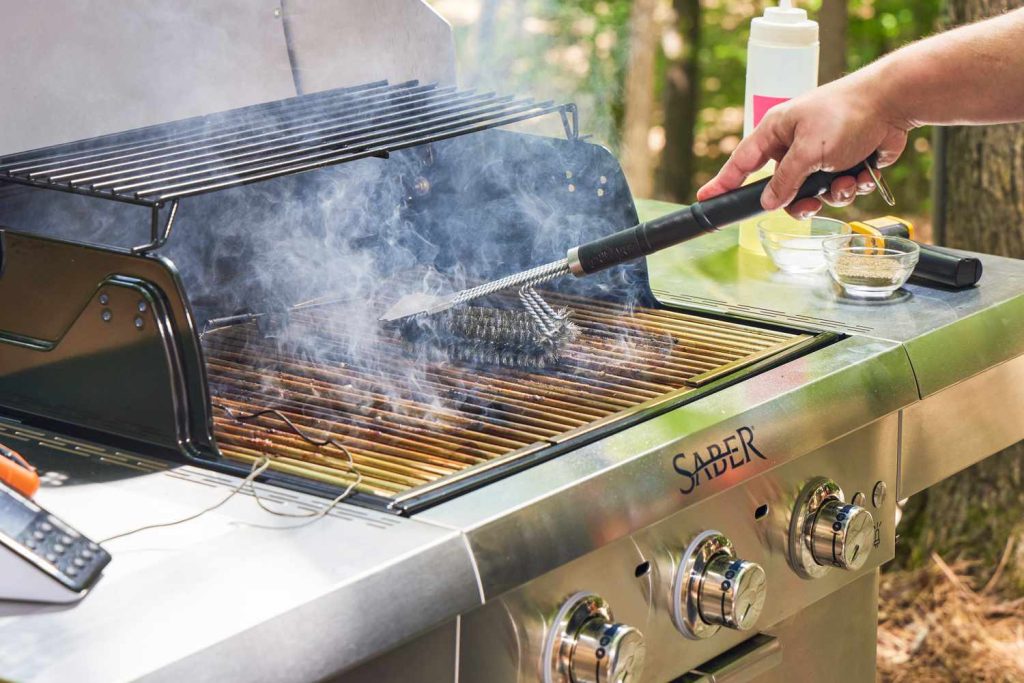
Use a high-quality grill brush or scraper designed for your grate type (stainless steel, cast iron, or porcelain-coated). - Lightly oil the grates
Use a paper towel with a small amount of high-smoke-point oil to prevent rust and sticking. - Empty the grease tray regularly
A full grease tray is one of the most common causes of grill fires. - Wipe exterior surfaces
Stainless steel cleaner or mild soap and water keeps the grill looking great and prevents corrosion.
This routine takes about 5–10 minutes and goes a long way toward preventing bigger problems. However, it only addresses what you can see—not what’s building up underneath.
Fun (and Eye-Opening) Grill Math: How Often Do You Really Use Your Grill?
Here’s where things get interesting—and where many grill owners realize why professional cleaning matters.
If you grill 2 times per week:
2 cooks per week × 52 weeks = 104 grilling sessions per year
If you grill 3 times per week:
3 cooks per week × 52 weeks = 156 grilling sessions per year
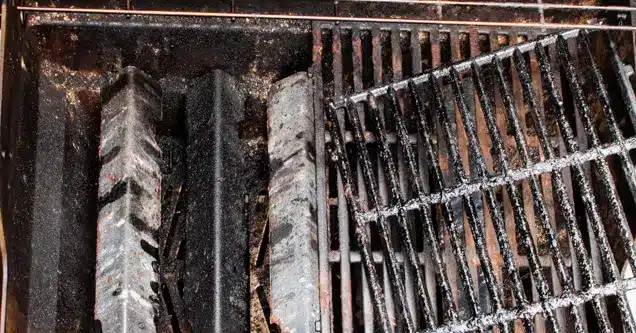
Now think about this: every single grilling session drops grease, food particles, and carbon into your burners, heat shields, firebox, and drip system.
Even if you brush the grates every time (which most people don’t), that’s still over 100–150 grease-producing events per year happening inside your grill.
That’s why professional grill cleaning isn’t “extra”—it’s routine maintenance scaled to real usage.
What DIY Grill Cleaning Can’t Do (and Why That’s Okay)
One of the biggest misconceptions we see is homeowners thinking that a deep YouTube-inspired cleaning equals professional service. It doesn’t—and that’s not a failure on your part.
DIY limitations include:
- Inability to safely remove and deep-clean burners
- No access to commercial-grade degreasers and steam systems
- Risk of damaging ignition systems or gas ports
- Hidden grease buildup behind firewalls and panels
- Missed early signs of corrosion, cracks, or failing components
Professional grill cleaning isn’t just about cleanliness—it’s inspection, restoration, and prevention. It’s designed to catch issues before they turn into expensive repairs or unsafe conditions.
DIY care keeps things manageable. Professional cleaning resets the clock.
Why Professional Grill Cleaning Once or Twice a Year Is a Smart Investment
For most residential grill owners, the sweet spot is professional grill cleaning once or twice per year, depending on usage.
Professional grill cleaning typically includes:
- Complete disassembly of internal components
- Degreasing burners, heat shields, and firebox
- Clearing clogged gas ports for even heat
- Deep cleaning drip trays and grease channels
- Inspection for rust, cracks, or failing parts
- Reassembly and performance testing
This level of service not only improves flavor and safety—it often extends the life of a grill by years. For high-end built-in grills, that can mean saving thousands in premature replacement costs.
Think of it as preventative maintenance, not cosmetic cleaning.
Final Thoughts: The Best Way to Clean a Grill Is the Smart Way
So, what is the best way to clean a grill?
It’s brushing and maintaining it regularly, understanding its limits, and trusting professionals to handle the deep, technical work that protects your investment.
DIY cleaning keeps things tidy. Professional grill cleaning keeps things safe, efficient, and long-lasting.
If you grill 100+ times per year—as many Southern California homeowners do—professional service isn’t a luxury. It’s part of responsible ownership.
Take care of your grill between visits, and let the grill cleaning pros handle what they’re trained to do best. Your food will taste better, your grill will last longer, and you’ll grill with confidence every time.